
Hearing that you might need a root canal is enough to make anyone tense up in the dental chair. For generations, this specific procedure has carried an undeserved reputation as a painful ordeal, sparking instant worry for anyone experiencing tooth trouble. Yet the reality of modern root canal therapy is vastly different from the old myths. Far from being a painful punishment, a root canal is actually a tooth saving rescue mission designed to eliminate chronic infection, stop severe throbbing, and let you keep your natural smile intact.
Waiting until a toothache becomes unbearable usually means the underlying issue has progressed past the point of a simple fix. Knowing the early warning signs of internal tooth trouble helps you catch issues before they turn into major emergencies. Visiting Varinos Dental Associates in Newburyport connects you with a compassionate local team that evaluates your symptoms gently and helps you find lasting relief.
Let us walk through the most common early indicators that a tooth might need root canal therapy, why the inner pulp gets infected, and how modern care keeps you comfortable.
Understanding What Happens Inside a Tooth
To recognize why a root canal becomes necessary, it helps to take a quick look at what is going on beneath the hard exterior of your tooth. While the outer enamel and middle dentin layers protect your tooth from daily wear, the very center houses a soft tissue known as the dental pulp.
This living core contains blood vessels, connective tissue, and sensitive nerve endings that helped the tooth grow when you were young. Once your tooth is fully developed, the pulp serves mainly to provide sensation.
However, when deep decay, repeated dental procedures on the same tooth, or a physical crack allows bacteria to breach the outer defenses, the pulp becomes infected or deeply inflamed. Because this soft tissue is encased in a rigid shell, it has nowhere to expand when swelling occurs, leading to trapped pressure and persistent discomfort.
Lingering Sensitivity to Hot and Cold Foods
One of the earliest and most common whispers of trouble is a noticeable change in how your tooth reacts to temperature. We have all experienced a quick, harmless flash of cold sensitivity when biting into ice cream on a hot summer afternoon. That brief twinge vanishes the second you swallow.
An infected or dying tooth behaves quite differently. If you take a sip of hot coffee or cold water and feel a sharp, lingering ache that sticks around for several seconds or even minutes after the trigger is gone, something deeper is likely wrong.
That persistent reaction often signals that the nerve inside the pulp chamber is inflamed and struggling to recover. Ignoring that warning sign gives bacteria more time to spread down the root canals toward the jawbone.
Spontaneous Pain That Wakes You Up
Pain that arrives completely uninvited is a major red flag. If you are sitting quietly watching television or trying to fall asleep and suddenly feel a dull ache or sharp throbbing pulsing from a specific tooth without any obvious trigger like eating or drinking, pay close attention.
Teeth that hurt spontaneously or wake you up in the middle of the night are usually telling you that the nerve is actively dying or fighting a severe infection. This kind of pain rarely resolves on its own. It tends to come in waves, gradually growing more frequent and intense as the infection advances.
Reaching out to your dental team when spontaneous aches first start is the best way to avoid a full-blown dental emergency over the weekend.
Discomfort When Chewing or Biting Down
Your teeth are built to handle immense pressure every single day without complaint. When you bite down on a piece of crusty bread or chew your dinner, you should feel solid, comfortable support.
If you notice a sharp pinch, a dull ache, or a tender sensation every time your upper and lower teeth meet in a specific spot, it points to a localized problem. This symptom can stem from a tiny hairline crack in the enamel or from inflammation spreading from the pulp down into the periodontal ligament surrounding the root tip.
When biting pressure consistently hurts one particular tooth, it is time to have a professional take a closer look before the internal structure gives way entirely.
Swollen Gums and Tender Pustules
As an infection inside the tooth pulp worsens, the trapped bacteria eventually find a way out through the tip of the root into the surrounding jawbone and gum tissues. When this happens, physical signs often appear on your gums near the troubled tooth.
You might notice a localized area of swelling, making your gums look red, puffy, or tender to the touch. In some cases, a small pimple-like bump, known as a dental fistula or gum boil, forms on the gumline.
This bump is actually a drainage pathway your body created to release pus from the infection. While the pressure might drop slightly when the bump drains, the underlying source of the infection remains very much active and requires professional intervention.
Noticeable Darkening of the Tooth
Sometimes a failing tooth does not scream for attention with sharp pain right away. Instead, it whispers through quiet visual changes, such as a noticeable shift in color.
When the nerve and blood vessels inside a tooth die due to trauma, deep decay, or a heavy blow from a sports accident, the internal tissue breaks down. This internal breakdown can cause the entire tooth to gradually darken, taking on a gray, yellowish, or bruised brown tint compared to its bright neighbors.
If you notice one tooth looking noticeably duller or darker than the rest of your smile, it may indicate that the pulp has been damaged or has died and should be evaluated by a dentist.
Why Delaying Treatment Makes Things Worse
It is completely understandable to feel hesitant when you suspect a root canal is in your future. However, waiting out the symptoms or hoping a toothache will magically disappear on its own is a losing battle.
An infected tooth pulp cannot heal itself because it lacks a robust blood supply capable of fighting off heavy bacterial invasions unaided. Left alone, the bacteria continue traveling down the root, destroying surrounding bone and eventually forming a painful abscess.
Root canal treatment removes the infected pulp and helps control the infection. By gently cleaning out the diseased pulp, disinfecting the internal canals, and sealing the space securely, your dentist can relieve your pain and help you keep your natural tooth.
What to Expect During Modern Root Canal Therapy
Knowing that a root canal is necessary is usually much scarier than experiencing the procedure itself. Modern dental techniques, advanced rotary instruments, and highly effective local anesthetics have completely transformed root canals into procedures that feel remarkably similar to getting a routine filling.
Before any work begins, your dentist makes certain the area is completely numbed so you should not feel sharp pain. Once you are comfortable, a tiny opening is made in the top of the tooth to access the infected pulp chamber.
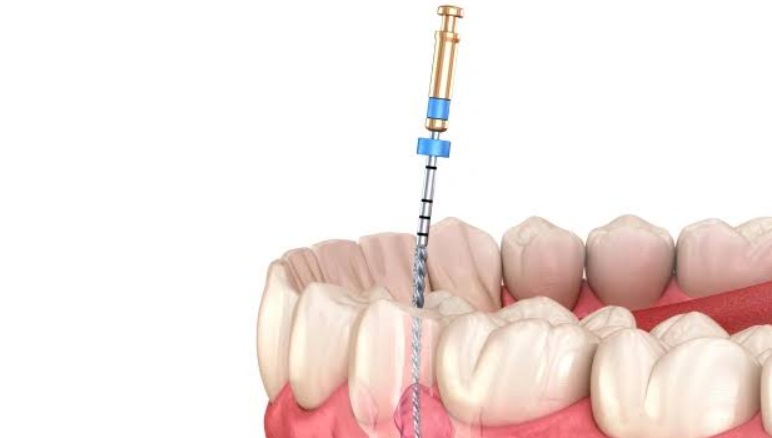
The dentist carefully cleans, shapes, and disinfects the microscopic canals inside the roots, removing all traces of bacteria. Finally, the empty canals are filled with a biocompatible rubber-like material called gutta-percha and sealed to prevent future reinfection. Many teeth that undergo root canal therapy may require a custom crown placed afterward to restore their full chewing strength and protect them from fracturing.
Taking the First Step Toward Relief
Living with a nagging toothache or unpredictable sensitivity wears down your daily quality of life. You do not have to just tough it out or let fear keep you from getting the comfort you deserve.
Visiting Varinos Dental Associates in Newburyport connects you with a caring team that listens closely to your symptoms, explains every step with total honesty, and prioritizes your absolute comfort. If you have noticed lingering temperature sensitivity, biting pain, or spontaneous aches, scheduling an evaluation is the smartest way to protect your smile.
Schedule your visit today at Varinos Dental Associates in Newburyport, MA, and let our team help you feel comfortable and confident.
Frequently Asked Questions
Q: Does a root canal procedure hurt?
A: No. With modern local anesthetics and gentle techniques, a root canal feels very similar to getting a standard filling, relieving the pain of the infection rather than causing discomfort.
Q: How do I know if I need a root canal instead of a simple filling?
A: Fillings treat decay limited to the outer layers of the tooth, whereas root canals become necessary when bacteria reach the deep inner nerve pulp, causing lingering temperature sensitivity or spontaneous pain.
Q: How long does a root canal appointment take?
A: Most standard root canal treatments can be completed in a single comfortable appointment lasting between sixty to ninety minutes, depending on the complexity of the tooth anatomy.
Q: Can a root canal tooth get another cavity in the future?
A: While the inner nerve is gone and cannot feel decay, the outer enamel can still develop new cavities if oral hygiene slips, which is why daily brushing, flossing, and checkups remain essential.
